
gitansh
This is fun, we can even share our thoughts here, just like on twitter and threads(threads is just bad).
It's like our colleges own twitter.

sharmasarthak

Monitor Indian Legacy: Why it's important and what we can do to help India's rich and diverse cultural heritage However, numerous legacy destinations and items are at risk for being lost or harmed. We ought to think often about rationing our legacy since it improves our lives and those of people in the future. Our heritage can be preserved by:
- Visiting and supporting legacy destinations and galleries
- Regarding and safeguarding legacy destinations and items
- Advancing and safeguarding …
Vaibhav
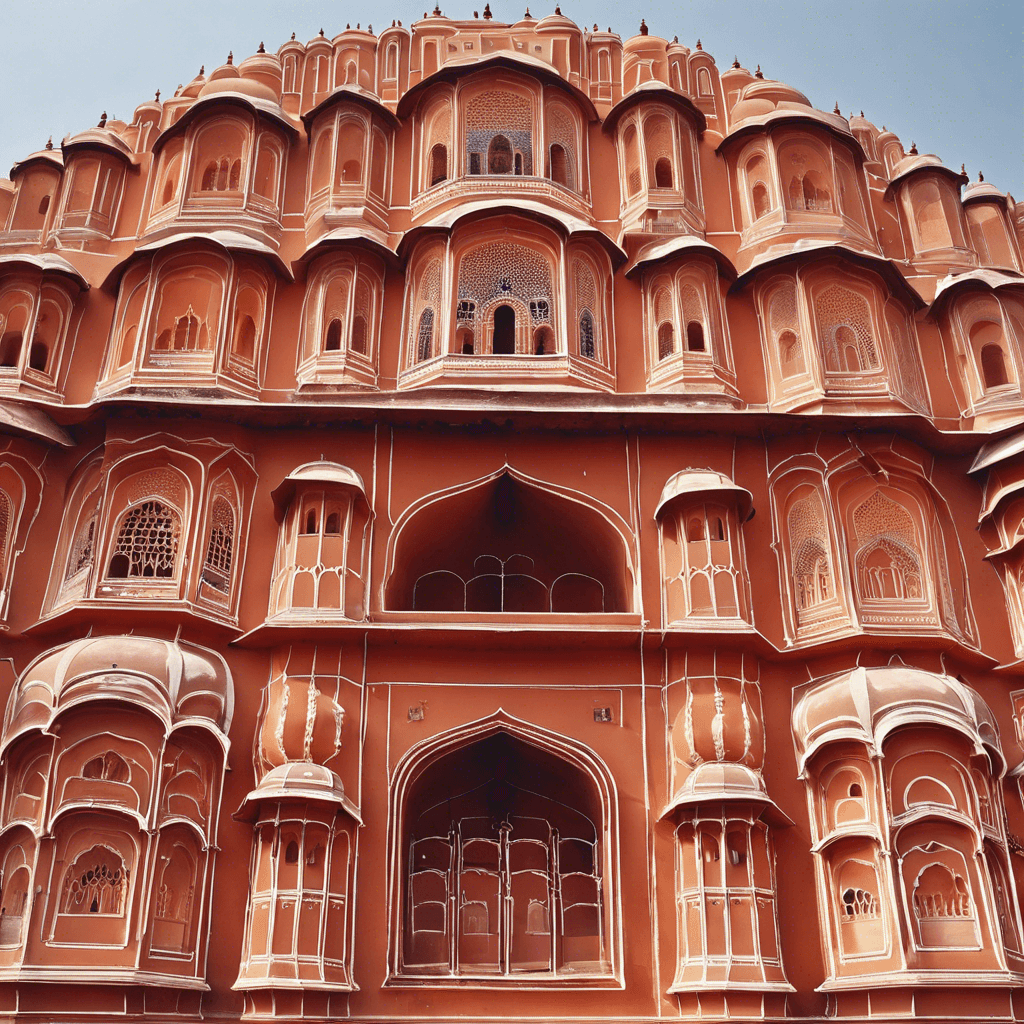
Jaipur, the capital of Rajasthan, India, is a UNESCO World Heritage Site known for its exemplary urban planning and cultural richness. The city, founded in the 18th century by Maharaja Sawai Jai Singh II, showcases a unique blend of Rajput and Mughal architecture, vibrant markets, and historic landmarks like the Hawa Mahal and City Palace.
To save these heritage sites
raising awareness about the historical significance of Jaipur and fostering a sense of pride among the local populace can cont…
HarshRaj
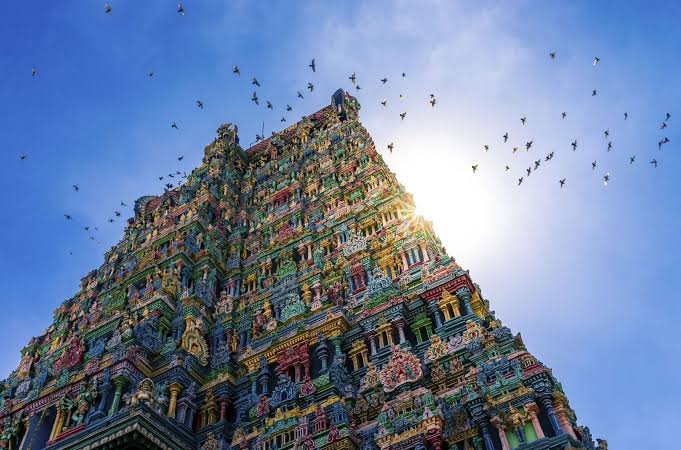
To save Indian legacy, we should cultivate a feeling of responsibility and pride in our social heritage. This can be accomplished through training, local area commitment, and utilizing innovation. Schooling assumes a critical part in imparting mindfulness and appreciation for legacy locales and customs. Local area commitment energizes dynamic support in protection endeavors, while innovation can be utilized to record, digitize, and disperse data about our legacy. By joining these methodologies,…
Deep_9450
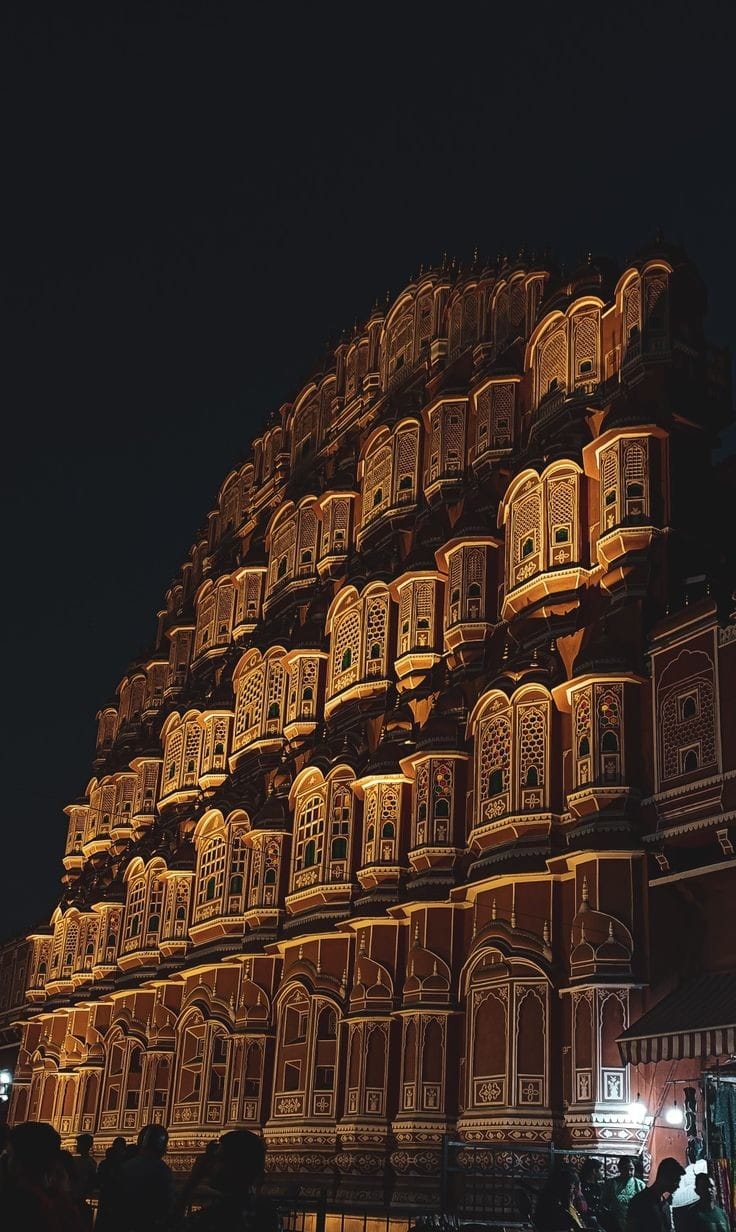
First of all let's know what's the indian heritage is called ...
Indian heritage encompasses a rich tapestry of cultural, religious, linguistic, and artistic traditions that have evolved over thousands of years.
Fuse traditional craftsmanship with modern architecture, creating structures that honor the past while embracing the needs of the present.The awe-inspiring architecture and temples crafted by our ancestors stand as testament to India's glorious heritage. Preserving these cultural trea…
ankursh052
It is vitally important to preserve India's cultural legacy because it not only links the past and present but also influences the identities of coming generations. A sense of pride is ingrained when one understands and values their heritage, which promotes national cohesion and a common cultural identity. India's rich cultural heritage, which encompasses centuries of art, architecture, customs, and knowledge, makes the country stand out on the international scene. Beyond just being valuable cu…
Rish1810

Indian art and craft have a rich history that combines centuries of tradition, inventiveness, and ethnic diversity into an enthralling tapestry. Every trade, from the elaborate patterns of Madhubani paintings to the vivid colors of Rajasthani block prints and the exquisite artistry of Banarasi silk, conveys a different tale based in India's rich past. It is critical to give projects that assist artists and craftsmen top priority in order to protect this priceless legacy. Encouraging skill devel…

Kashish_Gupta2003
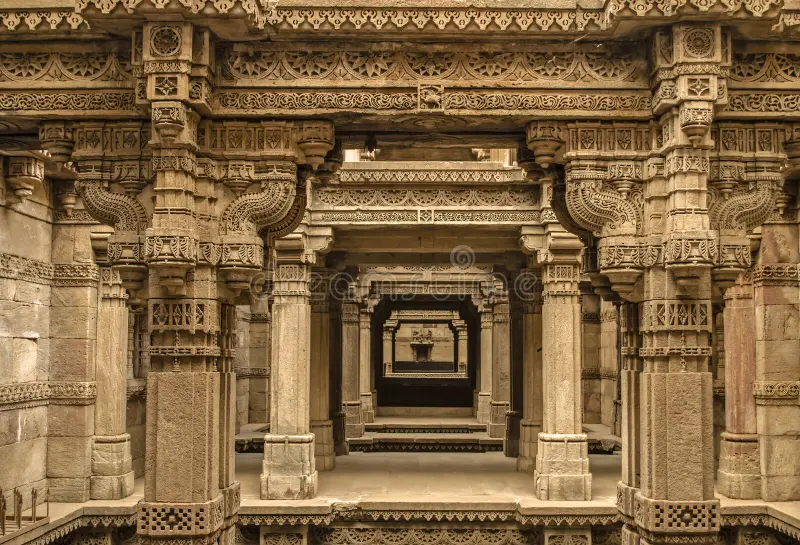
Indian heritage is vast and vibrant, dating back several centuries. It includes cultural heritage, monumental heritage, literature, and other works of art. However, with time, both tangible and intangible heritages are fading away. It is our responsibility to preserve our rich heritage and pass it on to future generations. Here are some ways to save Indian heritage:
1. Encourage Cultural Activities
Encouraging cultural activities like classical dances, music, and paintings can help save our c…

Shivani
Hello everyone!! This blog makes you all feel like a proud people for being a part of INDIA....
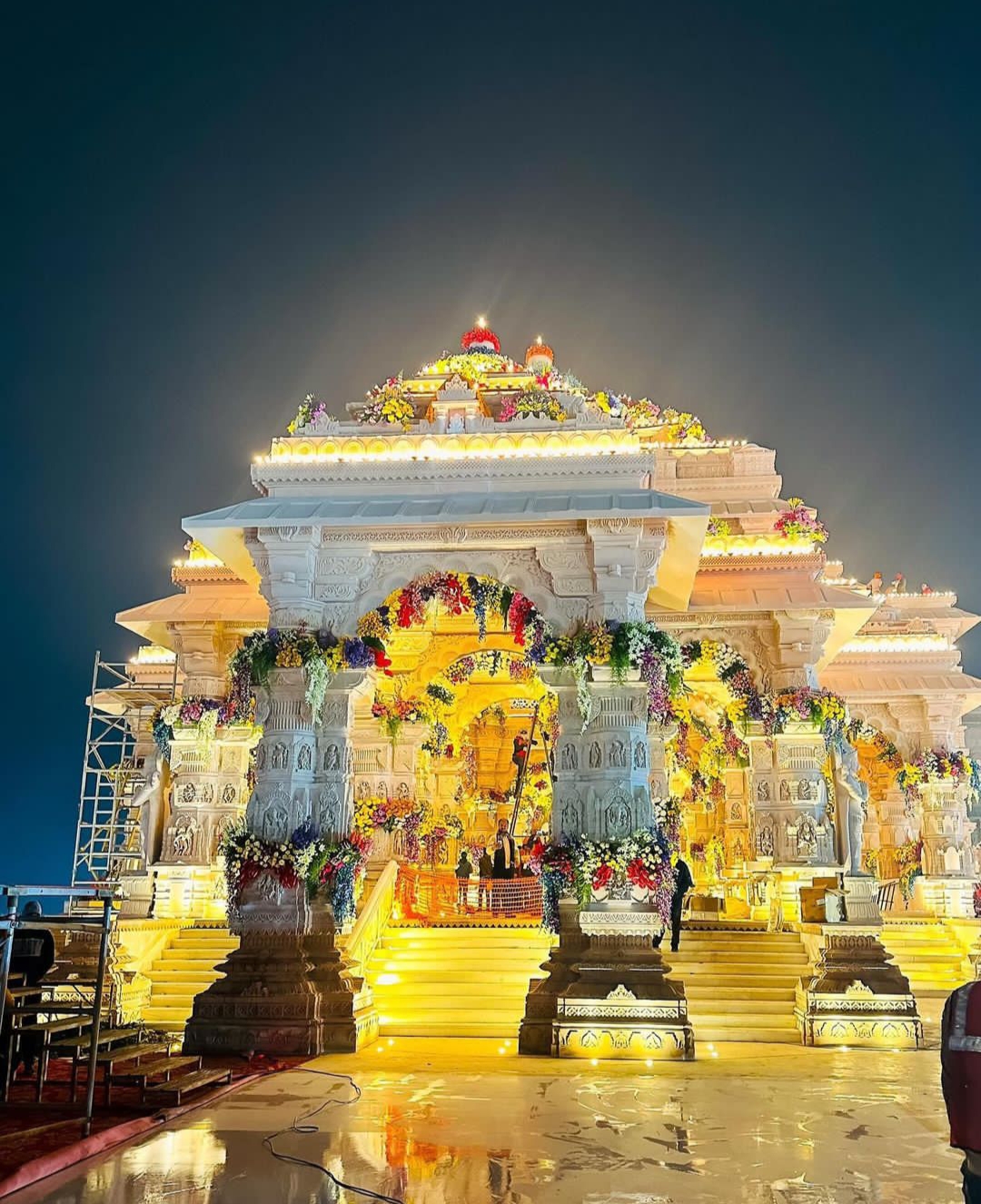
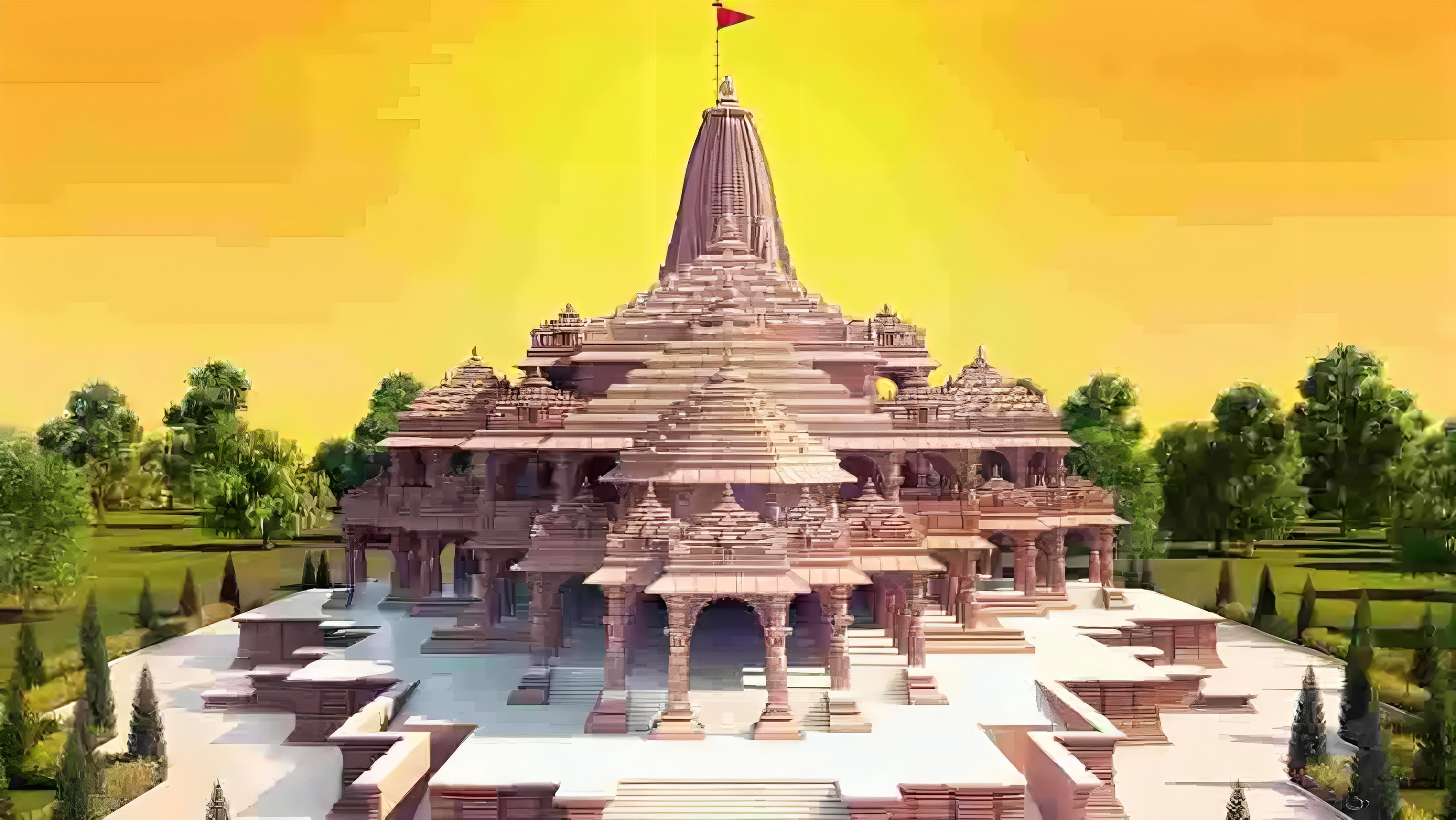
TOPIC : "Ram Mandir Ayodhya" A Living Testament to India's immortal Heritage.
History:
In the sacred town of Ayodhya, where myth and history intertwine, stands the emblem of India's rich and enduring heritage - the Ram Mandir. The roots of the Ram Mandir date back to the ancient epic, Ramayana, a narrative that has been etched into the collective consciousness of India.
The temple is believed…
himanshu
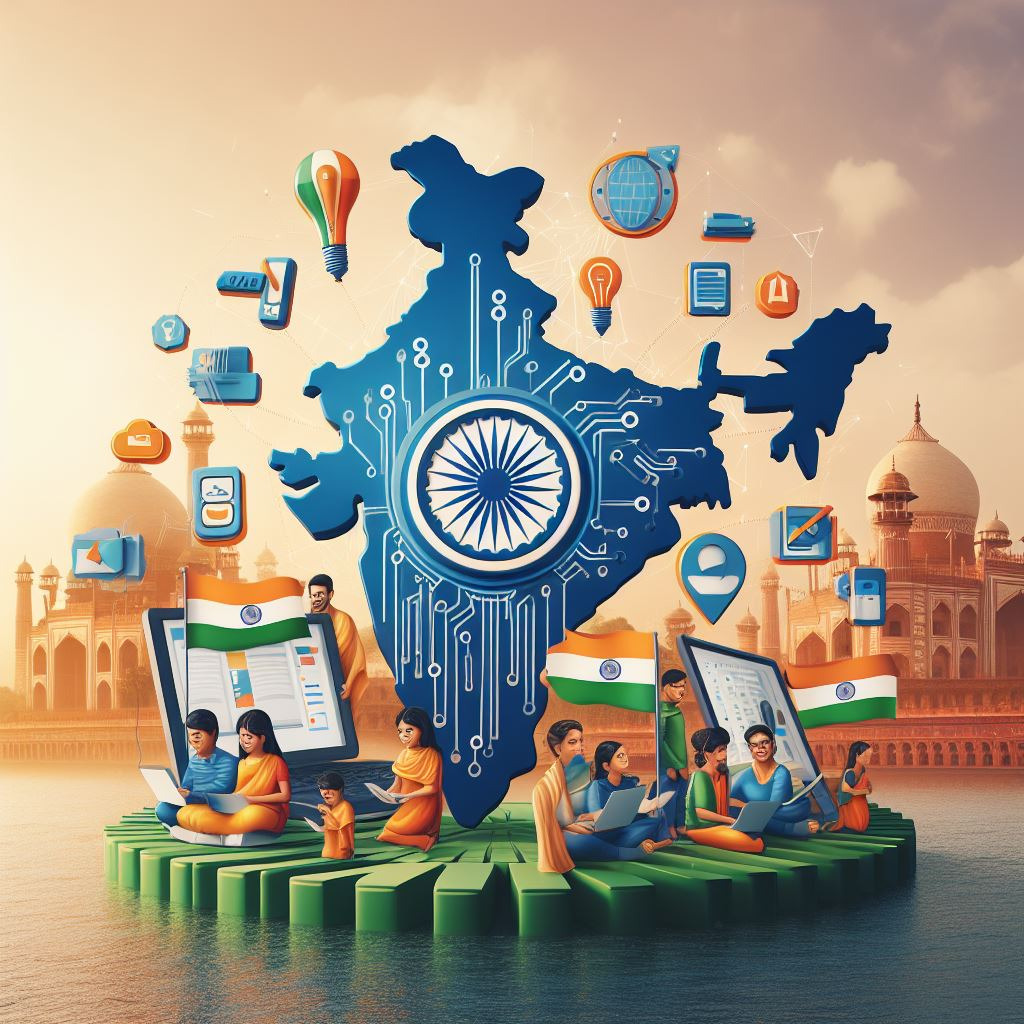
The study of how technology impacts education in India means appreciating the importance of e-learning environments and customized learning. They accommodate different learning styles and provide a wide range of resources for instruction. To guarantee equal access, issues like the digital gap must be addressed. With obstacles, the benefits to isolated communities in terms of accessibility and potential are considerable; yet, inclusive benefits need cautious navigation.
These developments in te…